
If you’ve ever made Thai food at home and thought, “Why doesn’t this taste like the restaurant version?” there’s a good chance fish sauce was missing. Or maybe not enough was used.
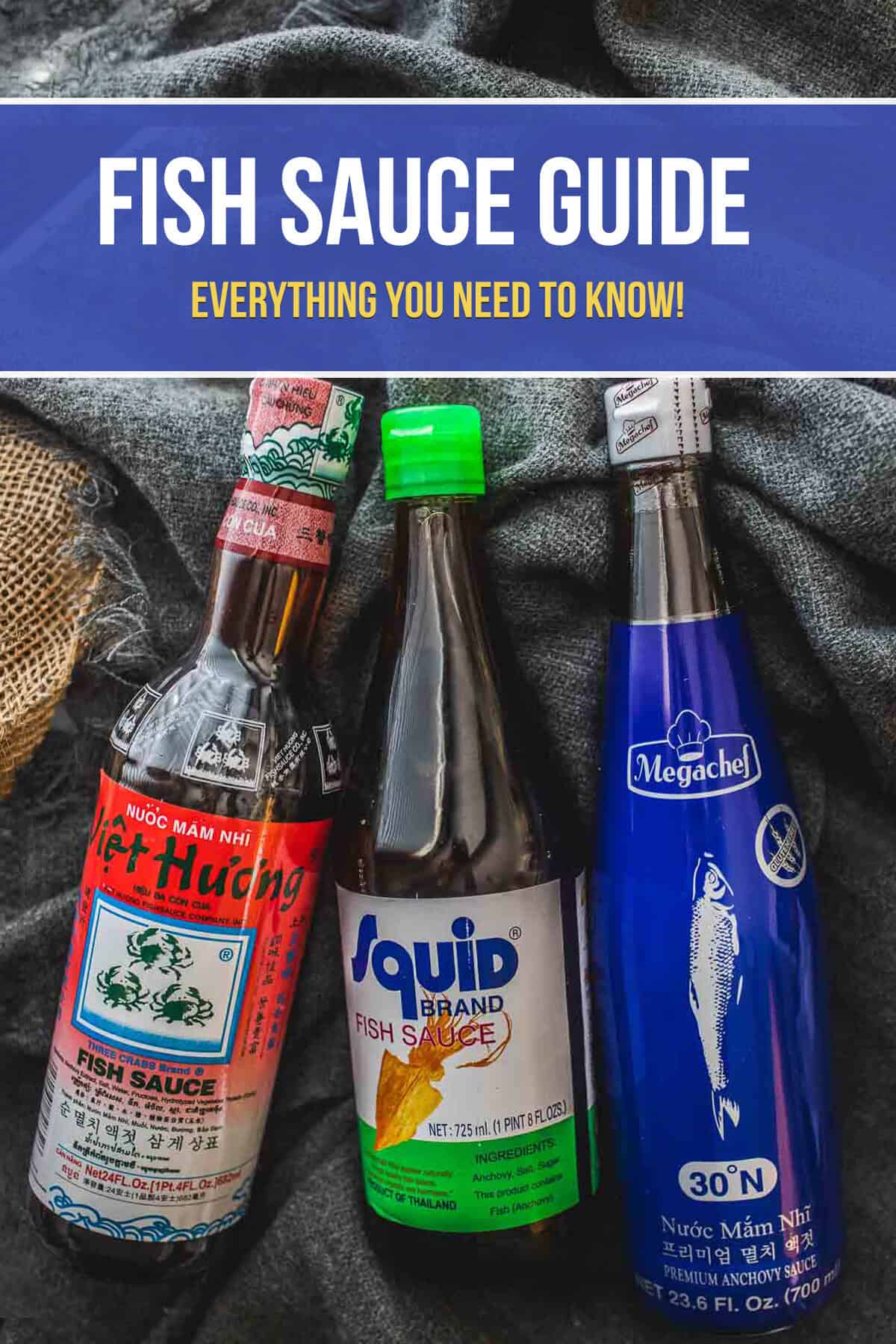
Fish sauce is one of the foundational pantry staples in Thai cuisine and an ingredient found in everyday cooking throughout the country.
If you enjoy learning about authentic Thai ingredients, check out my guides on how to season a wok, Thai chili peppers guide, Thai soy sauce guide, Thai oyster sauce guide, different types of Thai basil, Thai sauces, different types of noodles, Thai rice , and how to balance Thai flavors.
You can also explore my Isaan food guide, learn all about Som Tum and regional Thai food guides, andto learn how fish sauce is used differently throughout Thailand.
Jump to:
- How Fish Sauce Is Used in Thai Food
- What Is Fish Sauce?
- What Does Fish Sauce Taste Like?
- Why Fish Sauce Is Important in Thai Cooking
- Thai Fish Sauce vs Vietnamese Fish Sauce
- Best Fish Sauce Brands for Thai Cooking
- How to Choose a Good Fish Sauce
- What Fish Sauce Is NOT
- How to Use Fish Sauce
- Suwanee's Top Tips
- Does Fish Sauce Need to Be Refrigerated?
- Fish Sauce vs Soy Sauce
- Fish Sauce Substitutes
- Thai Recipes That Use Fish Sauce
- Fish Sauce, The Heart of a Thai Kitchen
- More Thai Ingredient Guides
- Frequently Asked Questions
- Related and Pairing
- Hi there, I’m Suwanee!
How Fish Sauce Is Used in Thai Food
Growing up in Thailand, fish sauce was always on the table right beside the food. We used it in cooking, but also as a condiment with rice, fried eggs, soups, grilled food, and dipping sauces.
Sometimes it was mixed with Thai chilies and lime juice into Prik Nam Pla, a simple sauce that made almost everything taste better.
From Pad Thai and curries to Som Tum, Laab, and fried rice, fish sauce is one of the ingredients that gives Thai food its signature salty, savory depth and balance.
What Is Fish Sauce?
In Thailand, fish sauce is called Nam Pla.
Fish sauce is a fermented sauce made from fish and salt, usually anchovies or other small fish. The fish are layered with sea salt and aged over time until they break down into a rich amber-colored liquid packed with savory umami flavor.
It smells strong straight from the bottle, but once it is cooked into food, it adds depth and saltiness rather than a fishy flavor.
Fish sauce has been used throughout Southeast Asia for centuries and it still is one of the most important ingredients in Thai cuisine, Vietnamese cuisine, Filipino cooking, and many other Asian dishes.
A few people have confused fish sauce with fish oil before, but they are completely different. Fish sauce is a fermented cooking ingredient while fish oil is typically used as a supplement.
What Does Fish Sauce Taste Like?
Fish sauce tastes salty, savory, rich, and deeply umami. A good fish sauce should taste balanced and smooth, not overly harsh or aggressively fishy.
Different brands taste different too. Some are saltier, some are sweeter, and some have a cleaner finish depending on the fermentation process and protein content.
Why Fish Sauce Is Important in Thai Cooking
Fish sauce gives Thai food its salty, savory backbone and helps balance flavors in a dish. It is used in everything from Pad Thai and fried rice to curries, soups, dipping sauces, marinades, and salads like Som Tum and Larb.
Without fish sauce, many Thai dishes simply would not taste the same.
Thai Fish Sauce vs Vietnamese Fish Sauce
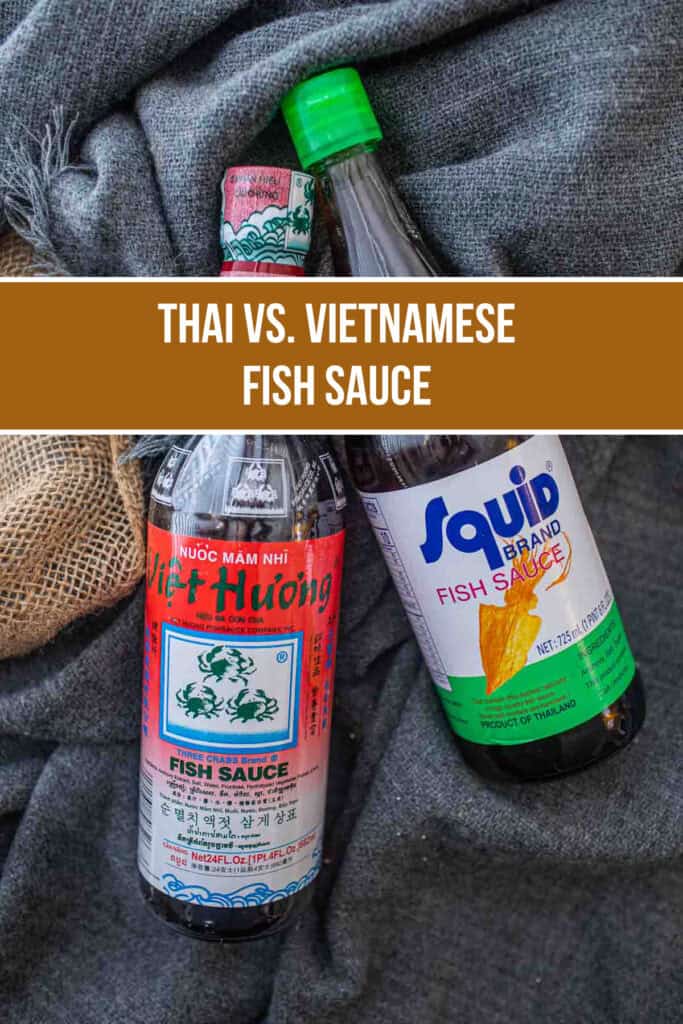
Thai fish sauce and Vietnamese fish sauce are similar, but they do taste different. Thai fish sauce, or Nam Pla, is usually saltier and sharper. It is commonly used in stir fries, curries, soups, and Thai dipping sauces.
Vietnamese fish sauce, known as Nuoc Mam, is often slightly smoother and sweeter tasting. It is heavily used in Nuoc Cham dipping sauce, Pho, spring rolls, and marinades.
One is not necessarily better than the other. They are just used differently depending on the cuisine and personal preference.
Best Fish Sauce Brands for Thai Cooking
There are many fish sauce brands available now, but these are some of the most common and useful ones for Thai cooking. I rotate between these brands often but my most go to one is the Squid brand.
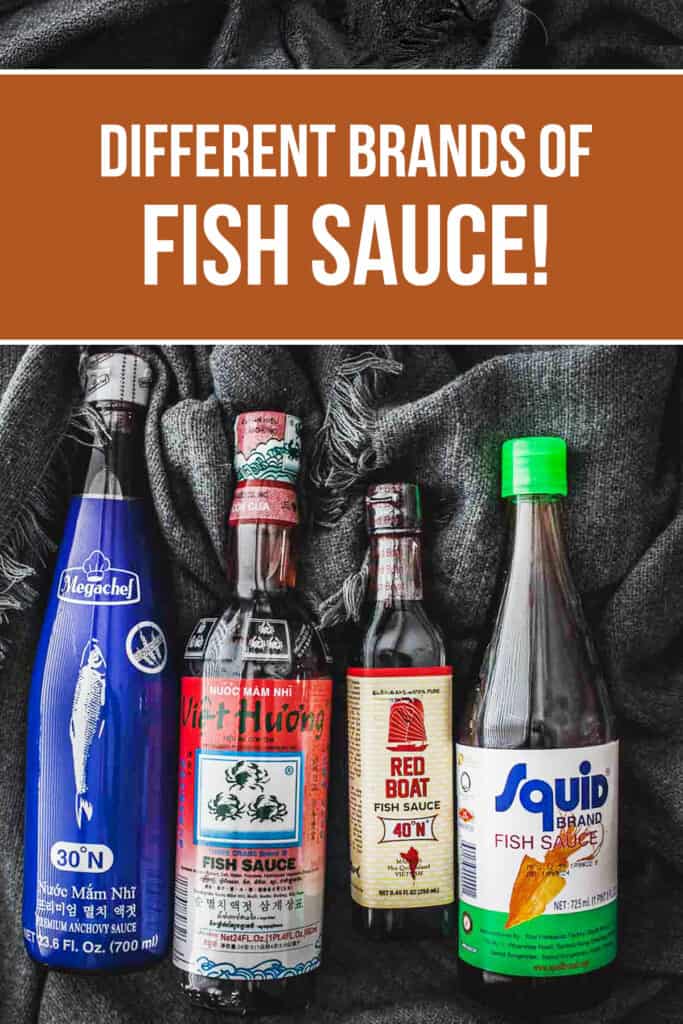
Squid Brand
A classic Thai pantry staple commonly used in Thailand. Stronger and more traditional tasting than Red Boat. The premium brown bottle version tastes smoother and slightly more balanced than the green bottle version.
- Best for: Stir fries, curries, soups, fried rice, and everyday Thai cooking.
- Pros: Authentic flavor, affordable, widely available
- Cons: Stronger smell and salinity for beginners
Red Boat
One of the easiest brands for beginners. It has a cleaner, smoother flavor and a very short ingredient list.
- Best for: Dipping sauces, dressings, and recipes where the fish sauce flavor stands out more.
- Pros: Smooth flavor, gluten free, high protein content
- Cons: More expensive than traditional Thai brands
Megachef
Megachef tastes smoother and slightly more refined than some traditional brands.
- Best for: It works especially well in lighter sauces and dipping sauces where the fish sauce flavor is more noticeable.
- Pros: Balanced flavor, smooth finish
- Cons: Higher price point
Three Crabs
One of my personal favorites for dressings, salads, and dipping sauces because it tastes softer and less salty.
- Best for: I especially like using it in Som Tum dressing and seafood sauces.
- Pros: Balanced flavor, beginner friendly
- Cons: Less bold for certain cooked dishes
Tiparos
Another very common fish sauce found in Thai kitchens and Asian markets. I don't use it much but if I'm traveling (and cooking in a different kitchen) between this brand or the regular Thai Kitchen brand, I will pick up this one first.
- Best for: Everyday cooking, marinades, soups, and large batch recipes.
- Pros: Affordable and easy to find
- Cons: Slightly sharper flavor
Lucky Brand Fish Sauce
Lucky Brand fish sauce is another affordable option commonly found in Asian grocery stores in the United States. The flavor is slightly milder and less intense than some traditional Thai brands, which can make it more approachable for beginners.
- Best for: Everyday cooking, marinades, soups, and stir fries.
- Pros: Affordable and easy to find
- Cons: Less depth and complexity compared to more traditional Thai brands like Squid or Megachef
Thai Kitchen Fish Sauce
I have used Thai Kitchen fish sauce a handful of times when other Thai or Vietnamese brands were not available, especially when I lived in the Azores, Portugal. It would not be my first choice for authentic Thai cooking, but it has become very popular in the US because it is widely available in regular grocery stores.
The flavor is milder and less intense than more traditional brands.
- Best for: Beginner home cooks, simple stir fries, and easy weeknight meals.
- Pros: Easy to find and beginner friendly
- Cons: Less depth and complexity than traditional Thai brands like Squid or Megachef
How to Choose a Good Fish Sauce
- When shopping for fish sauce, look for a short ingredient list with fish and salt listed first.
- Good fish sauce is usually amber or reddish-brown in color and should taste balanced rather than overly harsh or salty.
- Many people also pay attention to protein content, since longer fermentation often produces a richer and more complex flavor. Some bottles include numbers like 30N or 40N, which refer to nitrogen or protein levels.
- Some brands may have MSG, or flavor enhancers, so check the label if you are sensitive to those ingredients.
What Fish Sauce Is NOT
Fish sauce is not the same thing as Pla Ra. Pla Ra is fermented fish with pieces of fish and sediment still inside. It has a much funkier and earthier flavor commonly used in Isaan cuisine. Fish sauce should be smooth and liquid without chunks or solids.
Fish sauce is also different from oyster sauce. Oyster sauce is thicker and sweeter while fish sauce is thinner, saltier, and more fermented tasting.
How to Use Fish Sauce
If you are new to fish sauce, start with a small amount and adjust as you cook. A little goes a long way.
Fish sauce works especially well with lime juice, palm sugar, garlic, chilies, and tamarind. That combination creates the flavor base for many Thai recipes.
One of the easiest ways to start using fish sauce is in fried rice, stir fries, dipping sauces, and noodle dishes like Pad Thai.
Suwanee's Top Tips
When I cook large batches at Feast World Kitchen or prep sauces ahead of time, I often mix fish sauce into the sauce mixture the day before.
The flavors blend together more smoothly and taste more balanced the next day. This works especially well for Som Tum dressing, marinades, dipping sauces, and stir fry sauces.
Does Fish Sauce Need to Be Refrigerated?
Usually no. Most fish sauce can be stored at room temperature in a cool dark pantry after opening. Just keep the lid tightly closed. Because fish sauce is heavily salted and fermented, it stays shelf stable for a very long time.
Fish Sauce vs Soy Sauce
People often ask if soy sauce can replace fish sauce. Sometimes yes, but the flavor will not be the same. Soy sauce brings salty and earthy notes while fish sauce delivers a fermented umami flavor that is difficult to fully replace.
Many Thai recipes actually use both soy sauce and fish sauce together for balance.
Fish Sauce Substitutes
- Soy sauce, tamari, coconut aminos, and vegan fish sauce can work as substitutes, though the flavor will be different.
- Worcestershire sauce is also sometimes used in small amounts because it contains fermented anchovies and savory umami flavor.
Thai Recipes That Use Fish Sauce
Fish sauce is used in many Thai recipes including Pad Thai, Laab, Thai fried rice, curries, Tom Yum soup, dipping sauces, and Som Tum. In many ways, a Thai dish without fish sauce can feel incomplete or lacking that authentic depth of flavor.
Outside of desserts and drinks, fish sauce plays a role in most Thai cooking. It adds the signature salty, savory umami flavor that helps bring an entire meal together.
Fish Sauce, The Heart of a Thai Kitchen
Growing up in Thailand, we did not have much. But one ingredient we could never live without was fish sauce. Even when money was tight, if we had jasmine rice and fish sauce, we felt like we would be okay. Add a few chilies on the side, and somehow that simple meal felt complete.
To me, fish sauce is more than just a seasoning. It represents comfort, survival, family, and home. It is one of the ingredients that shaped the flavors of my childhood and the way I still cook today.
More Thai Ingredient Guides
If you are building a Thai pantry at home, these guides may help next:
Frequently Asked Questions
Fish sauce is made from fermented fish and salt, usually anchovies or other small fish.
Not usually. When used correctly, it adds savory depth more than fish flavor. And once cooked, the fishy smells disappear as it gets absorbed into the food instead.
Red Boat is one of the easiest brands for beginners because the flavor is smooth and clean.
Many brands are gluten free, but always check the label to be safe.
Fish sauce lasts a very long time because it is naturally fermented and high in salt.
No. Fish sauce is thin, salty, and fermented while oyster sauce is thicker and sweeter.
Sometimes, but the flavor profile is very different. Many Thai dishes actually use both together.
Related and Pairing
Need more Thai kitchen tips? Check out these helpful Thai kitchen resources that will help with deep diving into the world Thai food!


Hi there, I’m Suwanee!
I’m the person behind this Thai food blog. I spent the first thirteen years of my childhood in Thailand, where I fell in love with the flavors of Thai cooking. What started as sharing recipes from my kitchen has grown into a journey from home cook to restaurant chef — and now one of just eight contestants chosen nationwide for PBS’s The Great American Recipe, Season 4. You’re in the right place if you love to cook Thai food. Come by often, and let’s get cooking!
Suwanee says
Hi May, Thank you so much for your note! I'm glad these recipes and guides are helpful. I'm here to help if you have any questions for me. - Suwanee
May Ally Talla says
Hi, Suwanee—I'm thrilled to have landed on your blog this morning, and I've been scrolling through countless recipes, guides, and tips for a couple of hours (and counting).
Thank you SO much for all of your insight and experience (infinitely helpful)!