
Coconut milk is one of the ingredients that gives Thai food its rich, creamy, comforting flavor. It softens spicy curries, adds body to soups, and balances salty, spicy, and sour flavors beautifully. Thai desserts also rely heavily on coconut milk.
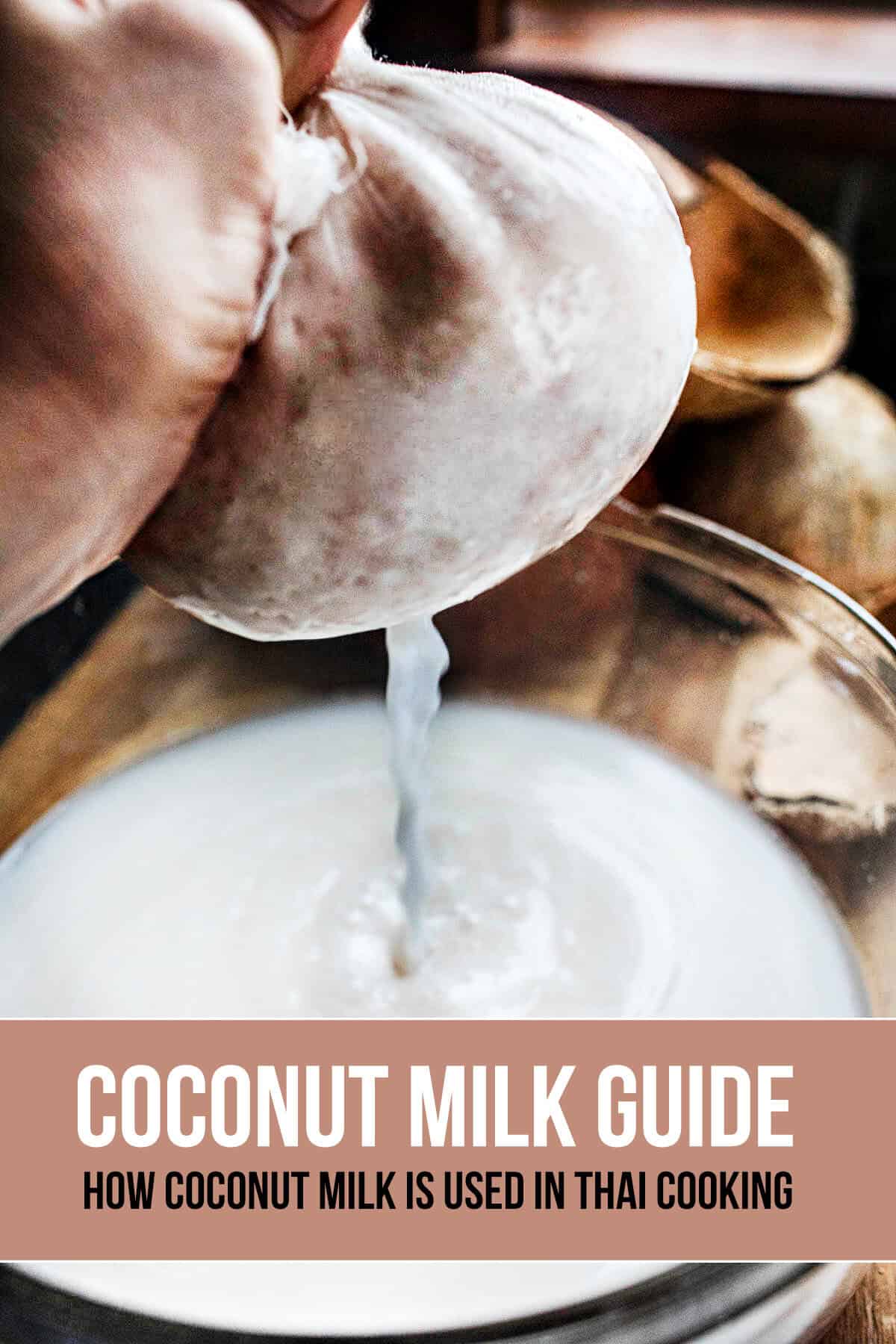
In Thai cooking coconut milk shows up everywhere. Curries, soups, noodle dishes, desserts, drinks, marinades, sauces and drinks. Once you start noticing it you realize how much of Thai food actually depends on it.
If you want to learn more about fresh coconuts, check out my guides on how to make fresh coconut milk and how to open coconuts.
Jump to:
- What Is Coconut Milk?
- Coconut Milk in Thai Cooking
- How Coconut Milk is Made
- Coconut Milk vs Coconut Cream
- How Thai People Actually Use Coconut Milk
- Canned vs Carton Coconut Milk
- What Does Coconut Milk Separation Mean?
- Best Coconut Milk Brands for Thai Cooking
- My Personal Tips for Cooking With Coconut Milk
- Coconut Milk in Thai Curries
- Thai Soups with Coconut Milk
- Coconut Milk in Thai Desserts
- Can You Make Thai Curry Without Coconut Milk?
- Can You Use Milk Instead of Coconut Milk in Thai Curry?
- Thai Recipes With Coconut Milk You Need to Try
- Frequently Asked Questions
- Related and Pairing
- Hi there, I’m Suwanee!
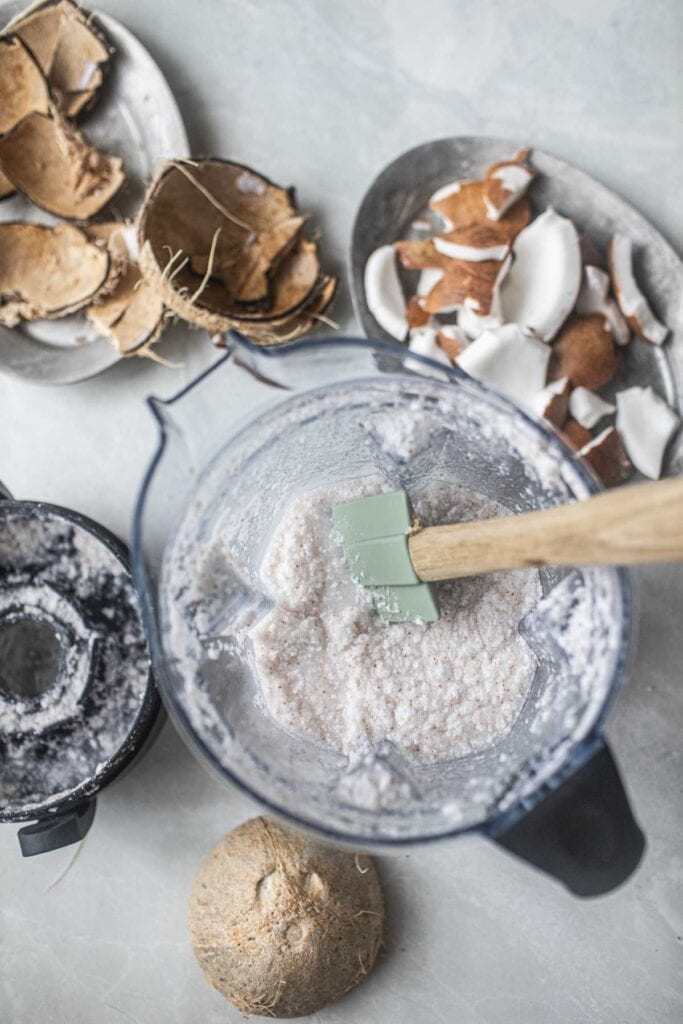
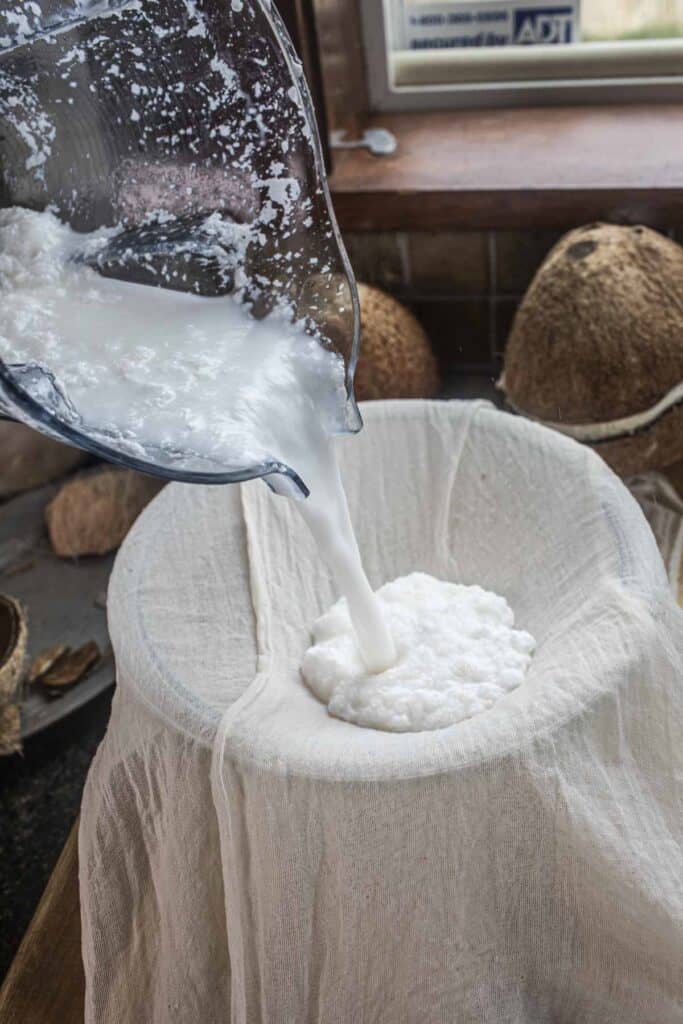
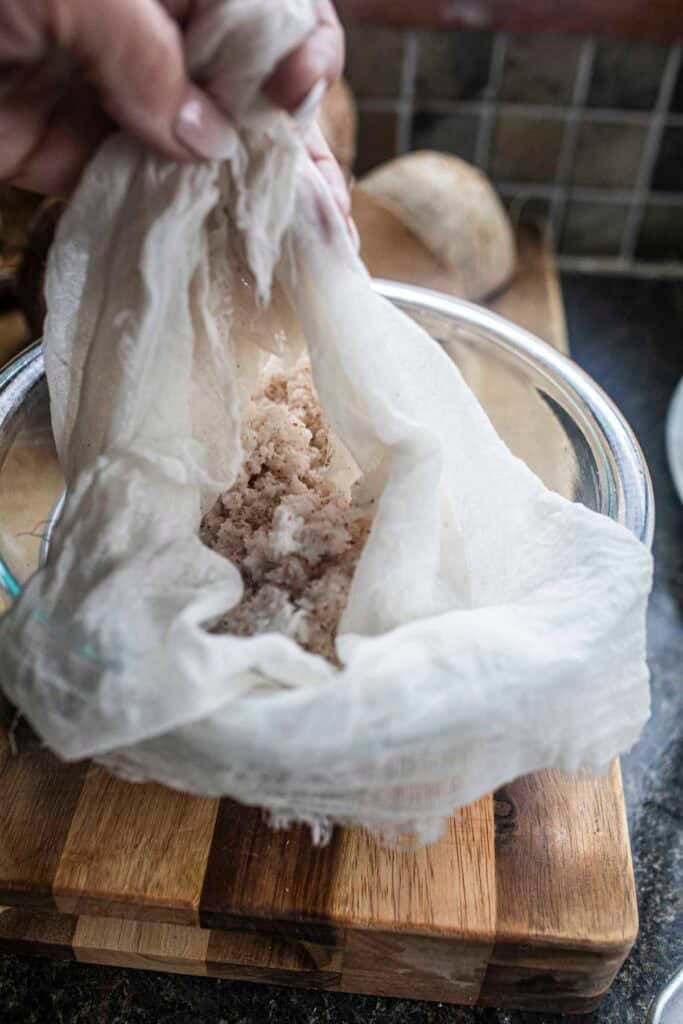
Growing up in Thailand, fresh coconut milk was just something we made at home. Not occasionally. Regularly. And it was a whole process. Crack the coconuts open, grate the meat, mix it with warm water, then squeeze everything out by hand through a cloth. Half a day of work before any actual cooking started.
What Is Coconut Milk?
Coconut milk is made from grated mature coconut meat mixed with water. That is basically it. The result is naturally creamy, a little sweet, and nutty in a way nothing else really is.
And just to clear something up right away because this confuses a lot of people. Coconut milk and coconut water are not the same thing. Coconut water is the thin clear liquid inside a young green coconut. Coconut milk comes from the white meat of a mature coconut. Totally different product, totally different use.
Coconut Milk in Thai Cooking
Coconut milk does a lot of heavy lifting in Thai cooking. It adds richness, body, and a natural sweetness that balances out spicy and salty flavors in a way water or stock just cannot.
Try making green curry without it. The paste tastes sharp and raw and the whole thing falls apart. Add coconut milk and everything rounds out into something people cannot stop eating.
It is essential in green curry, red curry, yellow curry, Panang, Massaman, and Tom Kha Gai. But it also quietly shows up in noodle dishes, sticky rice, and drinks. The more Thai food you cook the more you realize it is everywhere.
How Coconut Milk is Made
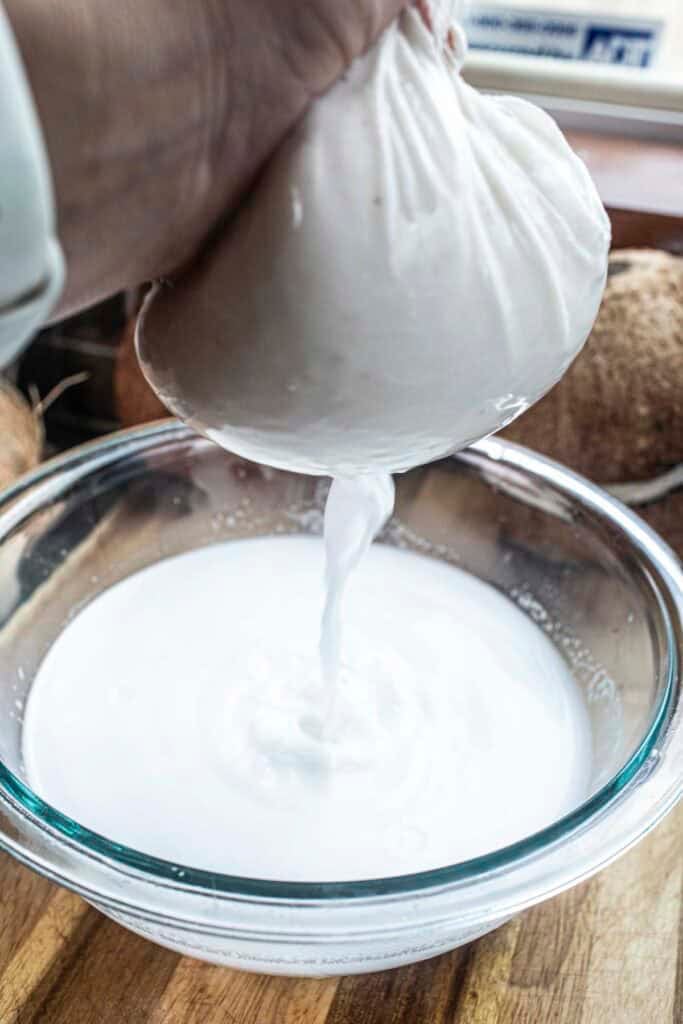
Traditional coconut milk is made by grating mature coconut meat and mixing it with warm water before squeezing out the rich creamy liquid.
The first squeeze is the richest and thickest. This is often called coconut cream in Thai cooking. A second squeeze with more water creates a thinner coconut milk that is commonly used in soups and curries.
Fresh coconut milk is still used in Thailand, especially in rural areas and local markets, but canned coconut milk is much more common for everyday cooking now because it is convenient and consistent.
Learn how to make homemade coconut milk here. It's easier than you think!
Coconut Milk vs Coconut Cream
People confuse these two all the time. There's a difference between the two.
- Coconut Milk. Coconut milk is thinner and commonly used for curries, soups, sauces, and drinks.
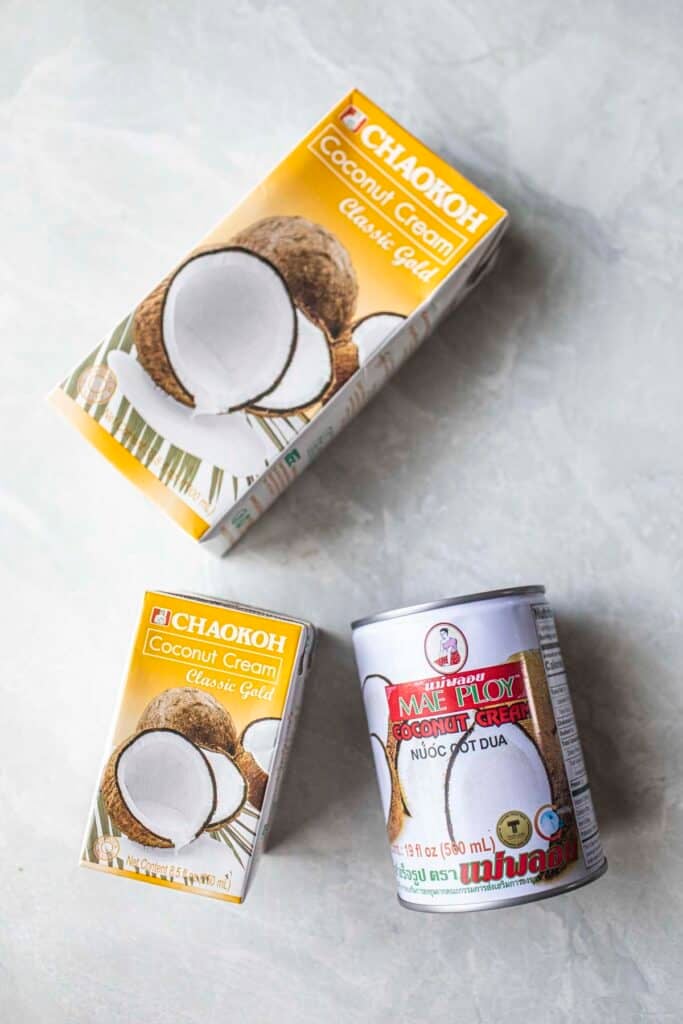
- Coconut Cream. Coconut cream is thicker and richer because it contains more coconut fat. It is often used in rich curries, desserts, whipped toppings, and for frying curry paste.
In Thai cooking, coconut cream is used to fry curry paste first before any liquid gets added. You put the thick cream in a hot pan, add the curry paste, and let it cook together until the oils separate and the paste smells incredible.
That is the step that gives authentic Thai curries their depth. A lot of recipes skip it and you can taste the difference.
Some brands sell coconut cream separately in its own can. But you can also just open a regular can of coconut milk without shaking it and scoop the thick cream off the top. That works perfectly.
How Thai People Actually Use Coconut Milk
One of the biggest differences between authentic Thai cooking and many Western recipes is how coconut milk gets added.
In Thailand, coconut milk is usually not dumped into the dish all at once.
Many Thai curry recipes begin by frying curry paste in coconut cream first. This helps release oils, deepen flavor, and build aroma before the remaining coconut milk gets added later.
That extra step is one reason authentic Thai curries taste richer and more layered.
If you want to understand Thai curry better, my Thai Curry Paste Guide is a great companion to this post.
Canned vs Carton Coconut Milk
For Thai cooking, canned coconut milk is usually the best and most readily available choice. It is thick, rich, creamy, and high in fat, which is exactly what Thai curries and soups need.
Some newer brands now come in cartons instead of cans, which can help reduce the slight tin flavor that canned coconut milk sometimes develops over time.
But do not confuse cooking coconut milk with the coconut milk sold in the refrigerated dairy alternative section near oat milk or almond milk.
Those carton coconut milks are mostly made for drinking, smoothies, cereal, or coffee. They are much thinner, contain more water and stabilizers, and usually do not work well in Thai curries. Your sauce will end up watery and flat.
What Does Coconut Milk Separation Mean?
There are actually two kinds of coconut milk separation that happen in Thai cooking, and both are completely normal.
The first is separation inside the can. The thick layer on top is the coconut cream while the thinner liquid underneath is the water naturally separating. Honestly, many Thai cooks prefer this because it usually means the coconut milk has fewer additives and stabilizers.
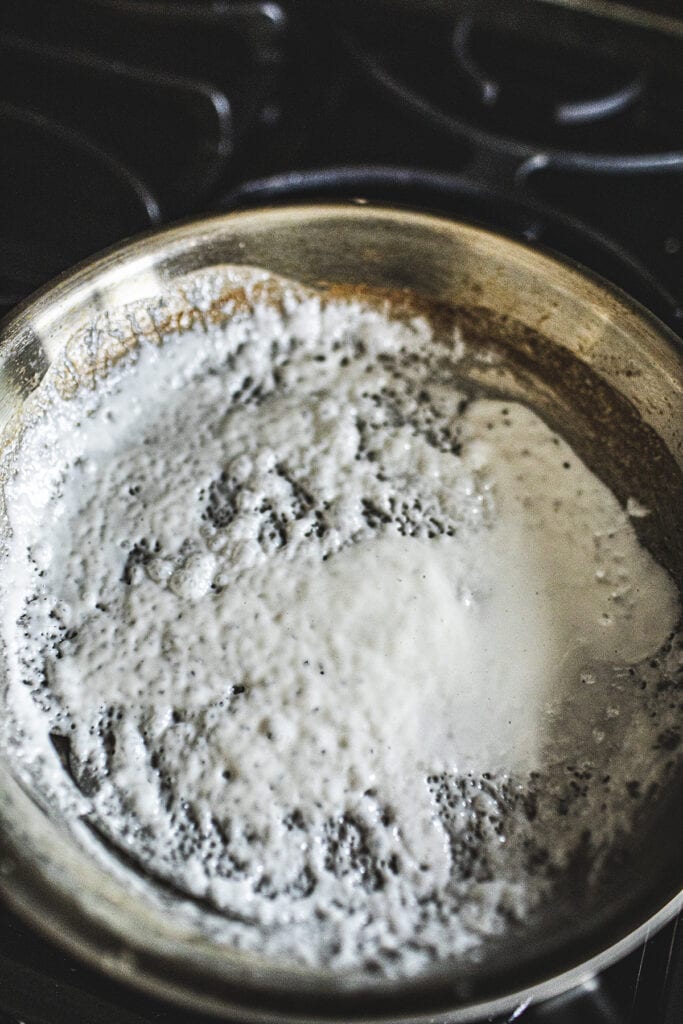
The second happens during cooking. When coconut milk cooks long enough over heat, the oils begin separating slightly from the liquid. You will notice little pools of coconut oil forming around the curry. That is what gives authentic Thai curries a richer aroma and deeper flavor.
This is especially common in Thai green curry, Thai red curry, and Panang curry.
Best Coconut Milk Brands for Thai Cooking
Not all canned coconut milk tastes the same. Some brands are watery or overly sweet while others are rich, creamy, and much more flavorful.
Aroy-D Brand
Aroy-D is one of the most popular brands for Thai cooking. It is rich, creamy, and has a strong coconut flavor that works beautifully in curries, soups, and desserts.
This is one of my personal favorite brands for authentic Thai recipes.
Chaokoh Brand
Chaokoh is another very common Thai coconut milk brand. It is creamy, reliable, and widely available in many Asian grocery stores.
Great for everyday Thai cooking.
Mae Ploy Brand
Mae Ploy is often used alongside Thai curry pastes and works especially well in Thai curries.
My Personal Tips for Cooking With Coconut Milk
- One of the biggest mistakes beginners make is using low fat coconut milk.
- Thai curries are supposed to have richness and body. Low fat coconut milk often tastes thin, watery, and flat.
- Another tip is to shake the can before opening unless the recipe specifically calls for separated coconut cream.
- And if your coconut milk separates in the can, that is usually a good sign. It often means there are fewer gums and additives.
- If you have carton or bottle coconut milk, pick that over the tin cans version.
Coconut Milk in Thai Curries
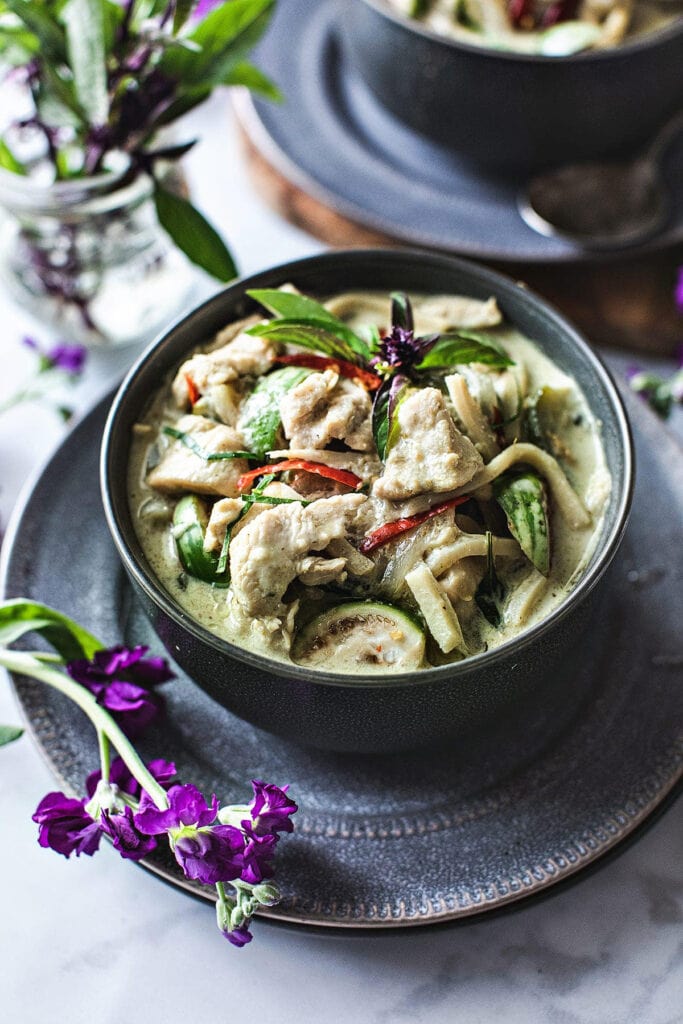
Coconut milk is essential in many authentic Thai curries. It balances spicy curry paste while creating a creamy sauce that coats meat and vegetables beautifully. It is especially delicious in Thai chicken curry, beef curry, seafood curry, and coconut based noodle curries. Some classic Thai curry recipes that use coconut milk include:

Thai Soups with Coconut Milk
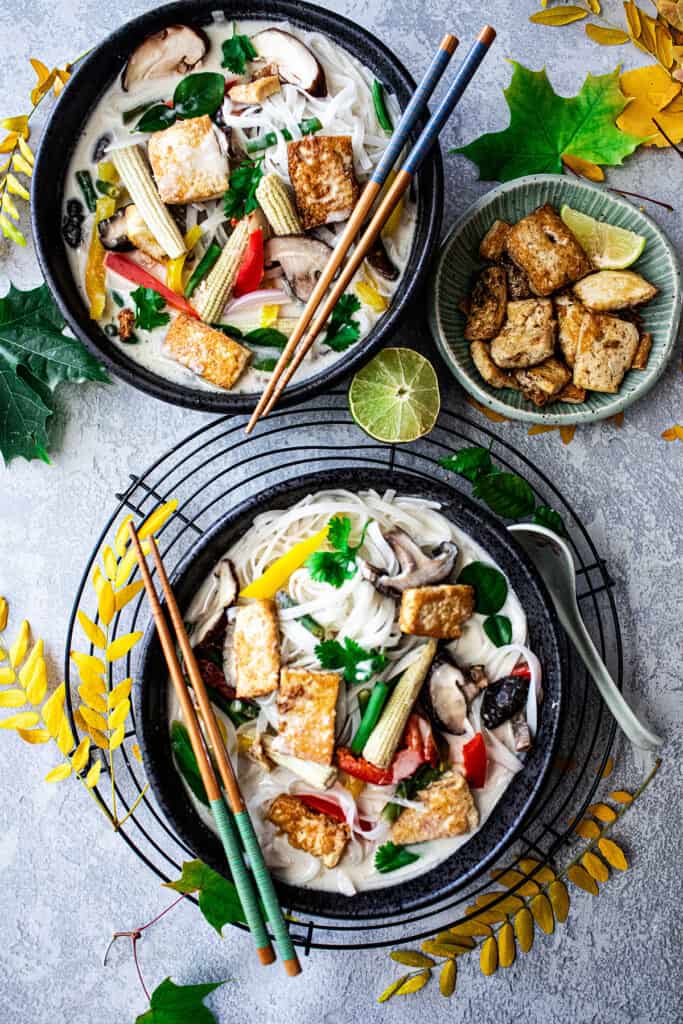
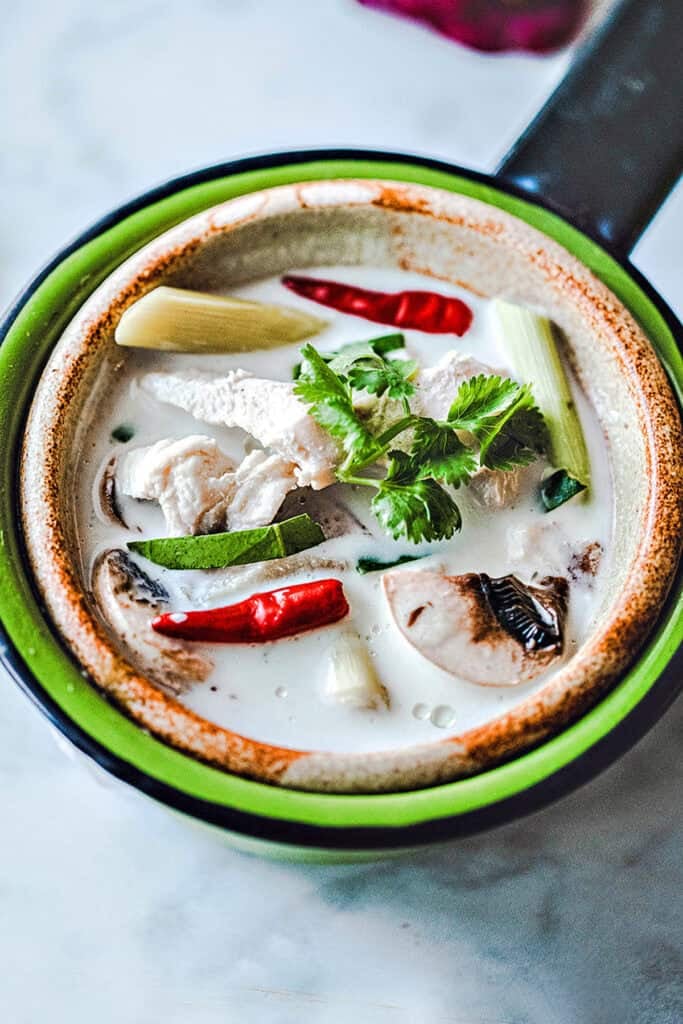
One of the most famous Thai coconut milk soups is Tom Kha Gai. Some creamy versions of Tom Yum soup also use coconut milk instead of evaporated milk. The richness of the coconut milk balances bold ingredients like galangal, lemongrass, fish sauce, lime juice, and Thai chilies all at once. The result is creamy, savory, sour, spicy, and incredibly comforting.
Coconut Milk in Thai Desserts
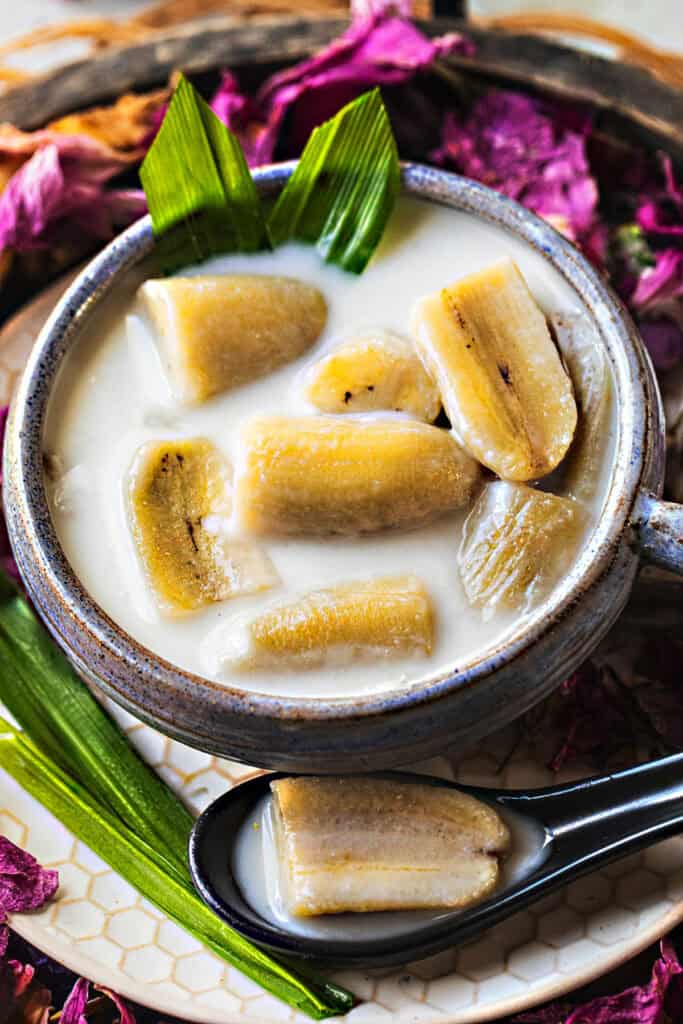
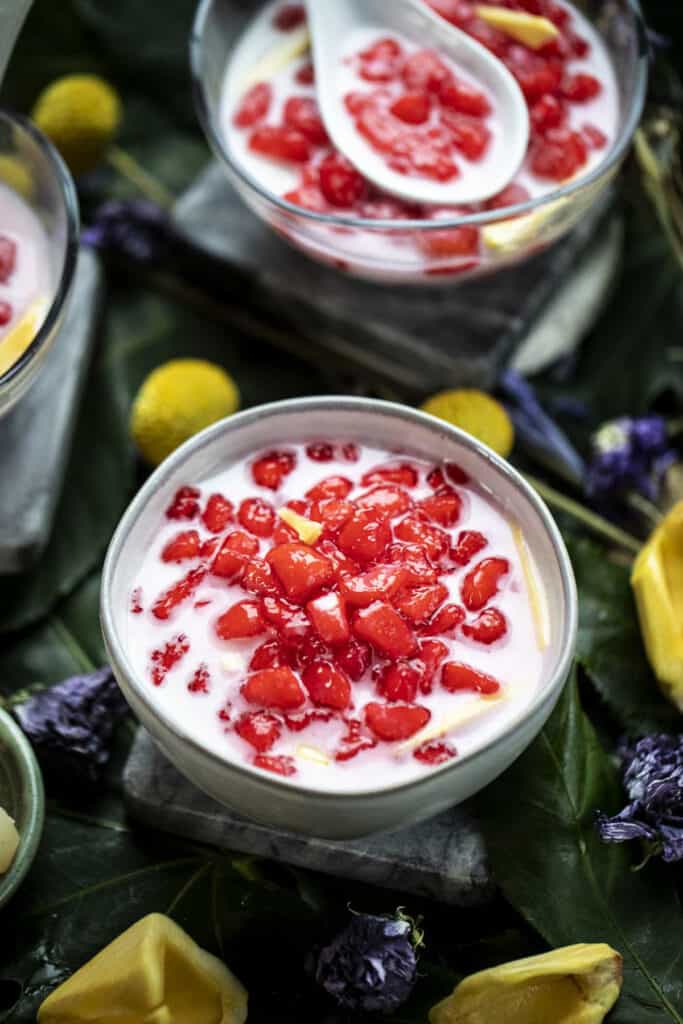
Thai desserts use coconut milk heavily because it adds richness without dairy. Coconut cream is also commonly used in dessert sauces and toppings. Some classic Thai desserts include:
Can You Make Thai Curry Without Coconut Milk?
Yes, but it depends on the curry. Some regional Thai dishes from Isaan like jungle curry and southern Thailand like Gaeng Som or Khua Kling do not use coconut milk at all.
However, many popular curries like Thai green curry, red curry, yellow curry, and Massaman curry rely heavily on coconut milk for their signature flavor and texture.
Without coconut milk, the curry will taste much thinner and less balanced.
Can You Use Milk Instead of Coconut Milk in Thai Curry?
Technically yes, but it will not taste authentic.Regular milk does not have the same richness, fat content, or coconut flavor that Thai curry needs.
If you need a substitute for coconut milk in curry, the closest options are coconut cream diluted with water, cashew cream, oat cream, or unsweetened plant based cream.
Still, real coconut milk gives the best flavor for authentic Thai cooking.
Thai Recipes With Coconut Milk You Need to Try
Ready to cook with coconut milk? Here are a few favorite Thai recipes to start with:
- Thai coconut milk pancakes, Kanom Krok
- Coconut Jelly
- Kabocha squash with coconut milk
- Thai Fried Banana Dessert
- Coconut rice
Frequently Asked Questions
Yes. Traditional coconut milk is naturally dairy free.
That is completely normal, especially with higher quality brands.
Usually yes, but the dish will be thicker and richer.
Unopened canned coconut milk can be stored in the pantry. Once opened, transfer it to an airtight container, refrigerate it, and use it within a few days. You can also freeze leftover coconut milk in small portions for future cooking.
Related and Pairing
Looking for other recipes like this? Try these: These are my favorite dishes to serve with [this recipe]:

Hi there, I’m Suwanee!
I’m the person behind this Thai food blog. I spent the first thirteen years of my childhood in Thailand, where I fell in love with the flavors of Thai cooking. What started as sharing recipes from my kitchen has grown into a journey from home cook to restaurant chef — and now one of just eight contestants chosen nationwide for PBS’s The Great American Recipe, Season 4. You’re in the right place if you love to cook Thai food. Come by often, and let’s get cooking!
Leave a Reply