
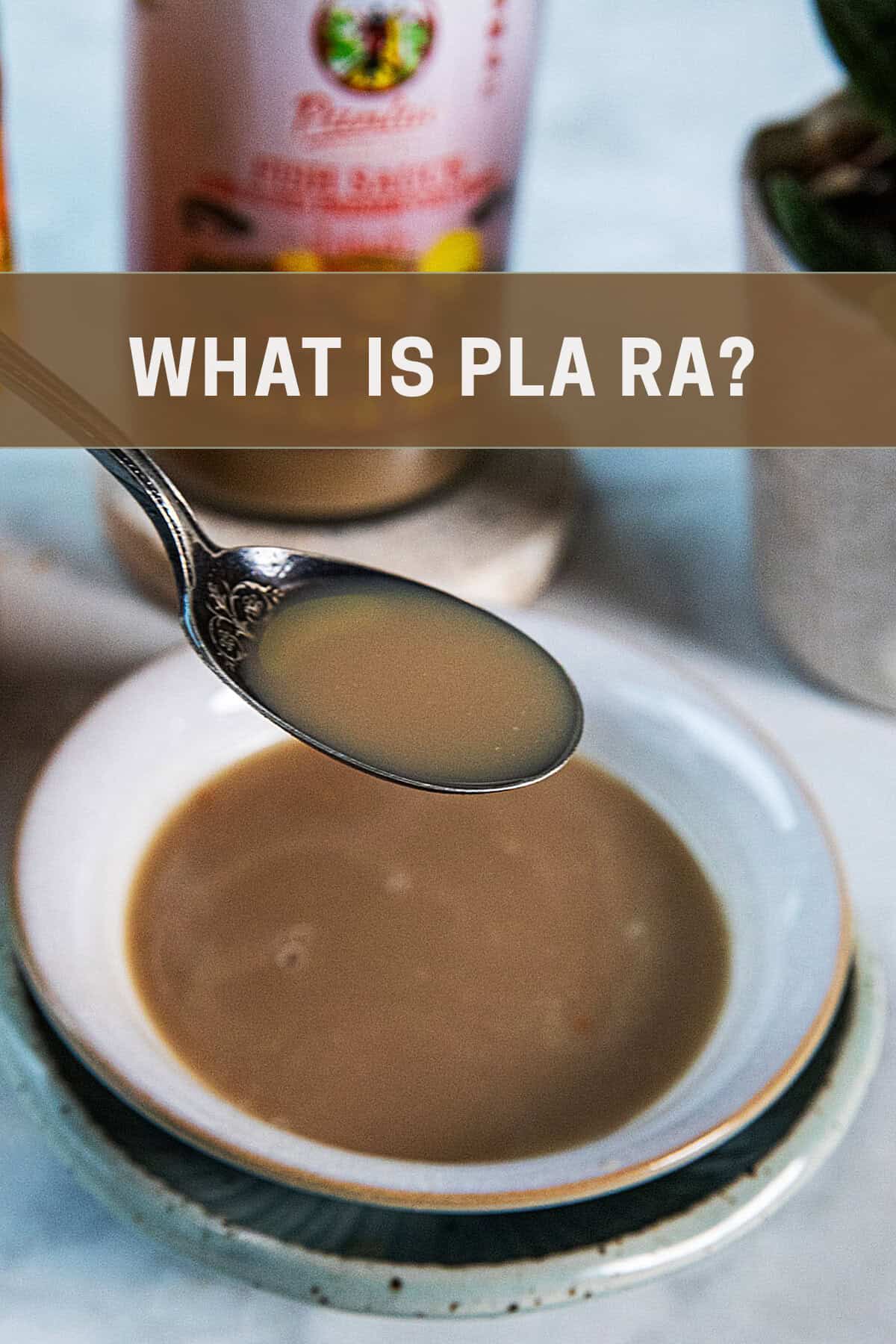
Pla ra (nam pla ra | ปลาร้า) is the fermented fish sauce that defines Isaan cooking. Made from freshwater fish preserved with salt and roasted rice bran, it develops deep umami through long fermentation.
If you’ve eaten som tum Isaan, larb Isaan , or rustic Isaan soups, you’ve already tasted it. Pla ra isn’t trendy or niche. It’s everyday food in northeastern Thailand.
Jump to:
What Is Pla Ra?
Pla ra is a fermented fish product made by preserving small freshwater fish with salt and roasted rice or rice bran. Over time, it transforms into a thick, savory sauce or paste with a strong aroma and complex umami flavor.
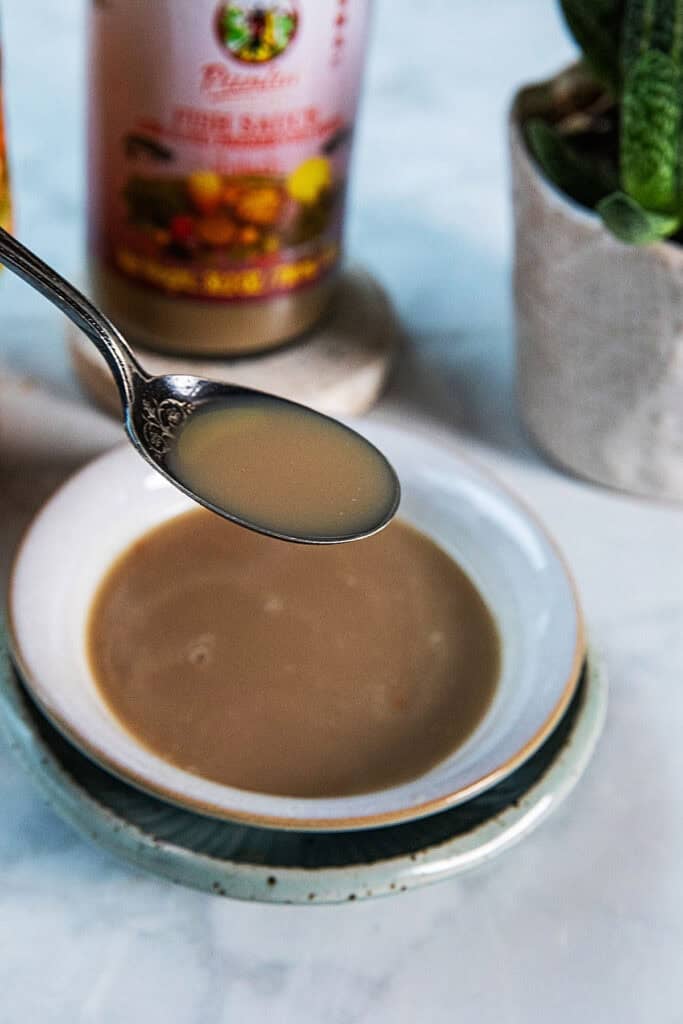
Unlike fish sauce, pla ra is murky, pungent, and sometimes contains small pieces of fish. The strong smell is intentional. It’s meant to be mixed into dishes and balanced with lime, chilies, herbs, and sticky rice.
This fermentation method developed in the Mekong River region of Thailand and Laos, where preserving fish was essential long before refrigeration existed.
How Pla Ra Is Made
Traditional pla ra uses just three ingredients: freshwater fish, salt, and roasted rice bran or rice flour. These are layered into jars and left to ferment naturally for months, sometimes through an entire dry season.
During fermentation, lactic acid bacteria develop, preserving the fish and creating depth. Studies show pla ra contains high levels of glutamic acid, the compound responsible for umami, along with beneficial microbes similar to those found in other fermented foods.
Like MSG, pla ra is rich in naturally occurring glutamic acid, the compound responsible for umami. Read More on how MSG is use as a savory flavor in Thai Cooking here.
Pla ra belongs to the same group of ingredients as miso, anchovy paste, aged cheeses, Worcestershire sauce, and fish sauce.
Pla Ra vs Fish Sauce
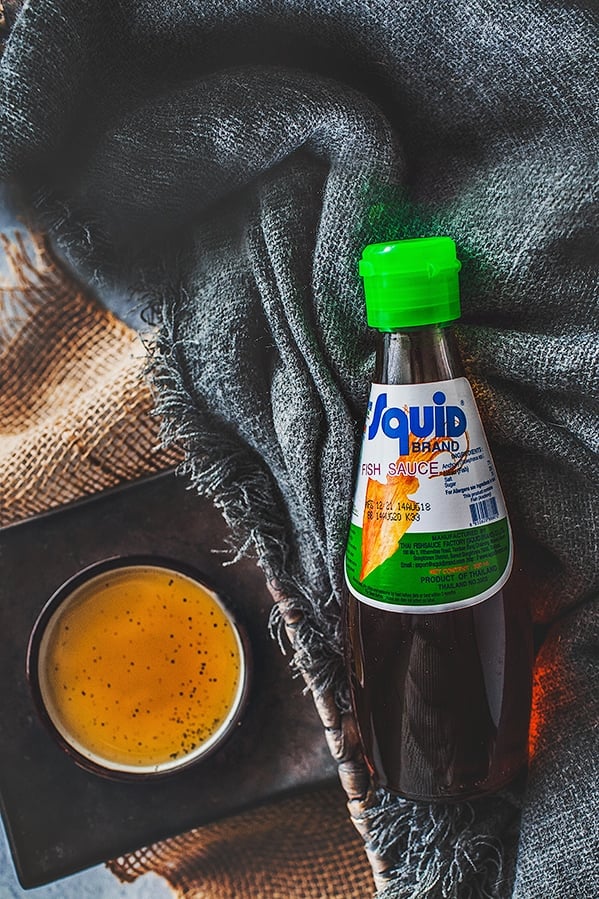
Pla ra and fish sauce are related but serve different roles in Thai cooking. Fish sauce is thin, clean, and briny, often used as a finishing seasoning. Pla ra is thicker, funkier, and earthier, designed to be mixed into food and balanced carefully.
If you already cook with fish sauce, pla ra is the next step toward cooking like a home cook in Isaan.
Where Pla Ra Is Used in Thai Food
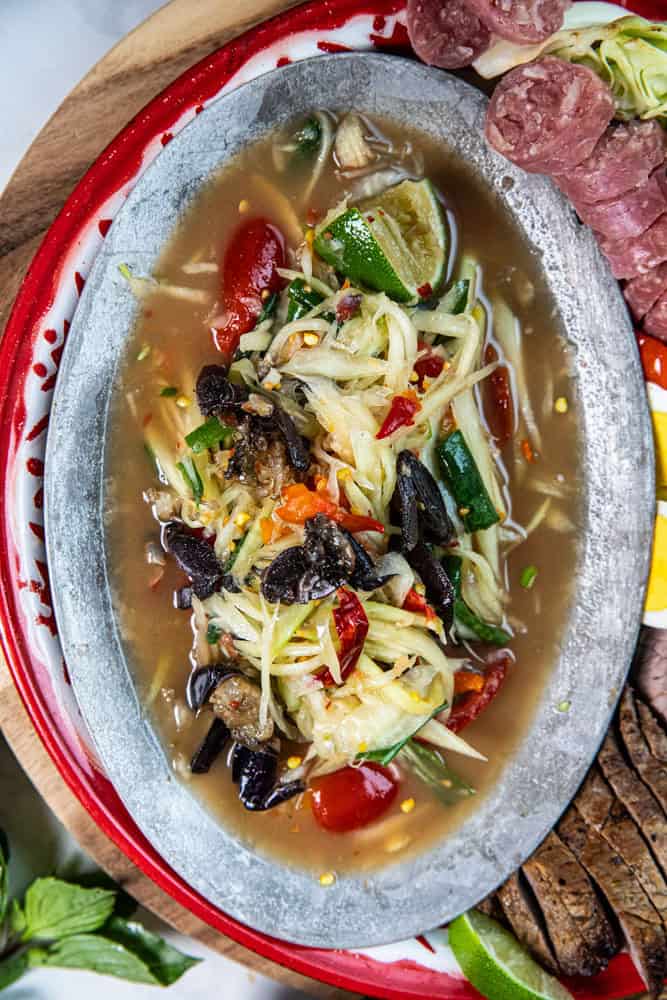
Pla ra appears most often in everyday Isaan dishes rather than restaurant-style Thai food. Common uses include Som Tum Pu Pla Ra, soups made with pla ra (Gaeng Om Gai), larb seasoned with toasted rice, mushroom soups, fermented fish chili dips, rustic curries, and meat stocks.
In Isaan households, pla ra is a staple, not a special ingredient.
Som Tum Thai vs Som Tum Pla Ra
Som tum Thai, the version most common in restaurants, is sweeter and milder, made with fish sauce and often topped with peanuts. Som tum pla ra is salt forward, sour, and deeply savory, made with fermented fish sauce, more chilies, and more lime. It’s meant to be eaten with sticky rice and shared as part of a full meal.
For the most authentic Isaan papaya salad, pla ra is essential.

Pla Ra and Sticky Rice Culture
Pla ra is inseparable from sticky rice. Sticky rice softens intense flavors, turns small dishes into full meals, and is eaten by hand. Combined with som tum and fermented fish sauce, it creates the balance that defines Isaan food.
Pla ra, sticky rice, and papaya salad belong together.
Why Pla Ra Is Often Misunderstood
Pla ra is often misunderstood because of its smell and unfamiliarity with fermented foods in Western cooking
Early descriptions focused on its aroma, and many restaurants omit it for fear of alienating diners. It’s also unfairly grouped with myths surrounding MSG.
In reality, pla ra is carefully fermented, regulated when bottled, and part of a global tradition of preserved foods. If you enjoy strong cheeses or anchovies, pla ra is simply another expression of fermentation.
How to Buy Pla Ra
Look for labels that say nam pla ra or fermented fish sauce. Cooked or boiled pla ra, labeled ปลาร้าสุก, is the safest option for home cooks. It’s commonly found at Thai, Lao, or Hmong markets and some online Asian grocery retailers.
Cooked vs Raw Pla Ra (ปลาร้าสุก vs ปลาร้าดิบ)
For home cooks, cooked pla ra (ปลาร้าสุก) is the safest and most approachable option. It has been boiled during processing, which reduces risk while preserving flavor. Raw pla ra (ปลาร้าดิบ) is more traditional but typically used by experienced cooks who understand fermentation and handling.
Start with a small bottle. A little goes a long way, and pla ra’s flavor is bold and concentrated.
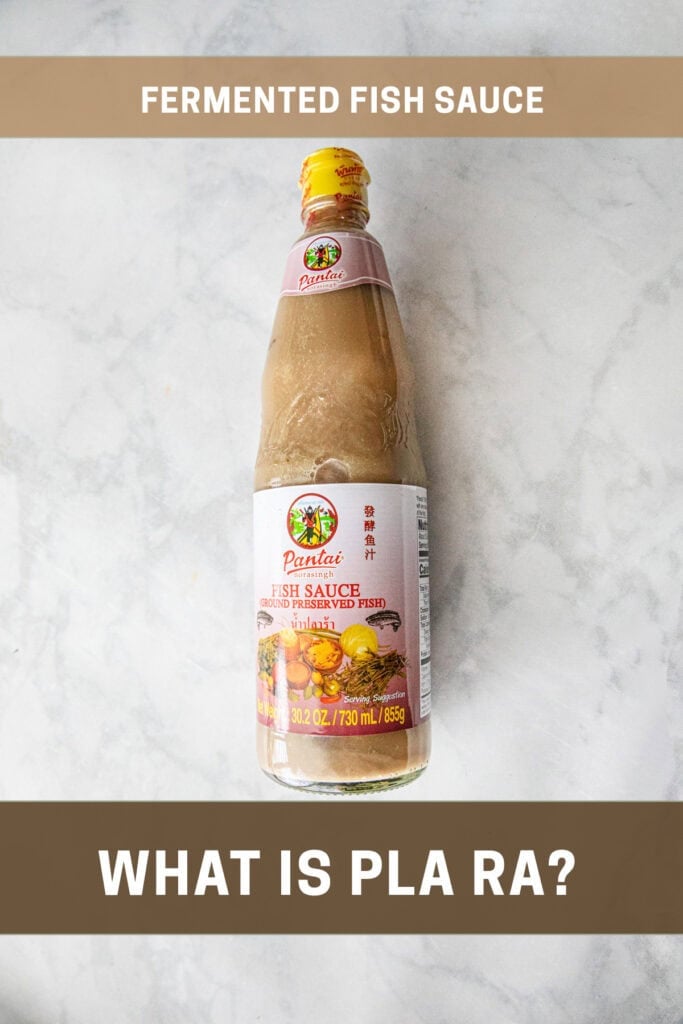
My personal favorite brand. The Pan Thai brand pla ra is what’s most available in my area. It’s boiled, filtered, and ready to use, which makes it a good option for home cooks.
How to Use Pla Ra at Home
Pla ra is used sparingly. Start with half a teaspoon in larb, one to two teaspoons in som tum, or half a tablespoon in soups and dips. Taste and balance with lime and chilies. Many cooks thin pla ra with water or fish sauce before using it, which is a common and traditional technique.
A Cultural Ingredient
Pla ra is more than a seasoning. It represents preservation, resourcefulness, and regional identity passed down for generations. From clay jars to modern bottles, pla ra connects Thailand’s past and present through flavor.
To cook true Isaan style Thai food, pla ra is foundational.
More Issan Recipes to Try
FAQ
Yes. Commercially bottled pla ra is fermented and regulated. For home cooks, cooked pla ra (ปลาร้าสุก) is the safest and most widely recommended option.
No. Pla ra is thicker, funkier, and more complex than fish sauce. It’s meant to be mixed into dishes and balanced with other ingredients rather than used as a finishing seasoning.
More Isaan Kitchen Resources
Looking for other helpful kitchen resources like this? Check out these articles below.

Hi there, I’m Suwanee!
I’m the person behind this Thai food blog. I spent the first thirteen years of my childhood in Thailand, where I fell in love with the flavors of Thai cooking. What started as sharing recipes from my kitchen has grown into a journey from home cook to restaurant chef — and now one of just eight contestants chosen nationwide for PBS’s The Great American Recipe, Season 4. You’re in the right place if you love to cook Thai food. Come by often, and let’s get cooking!

Leave a Reply